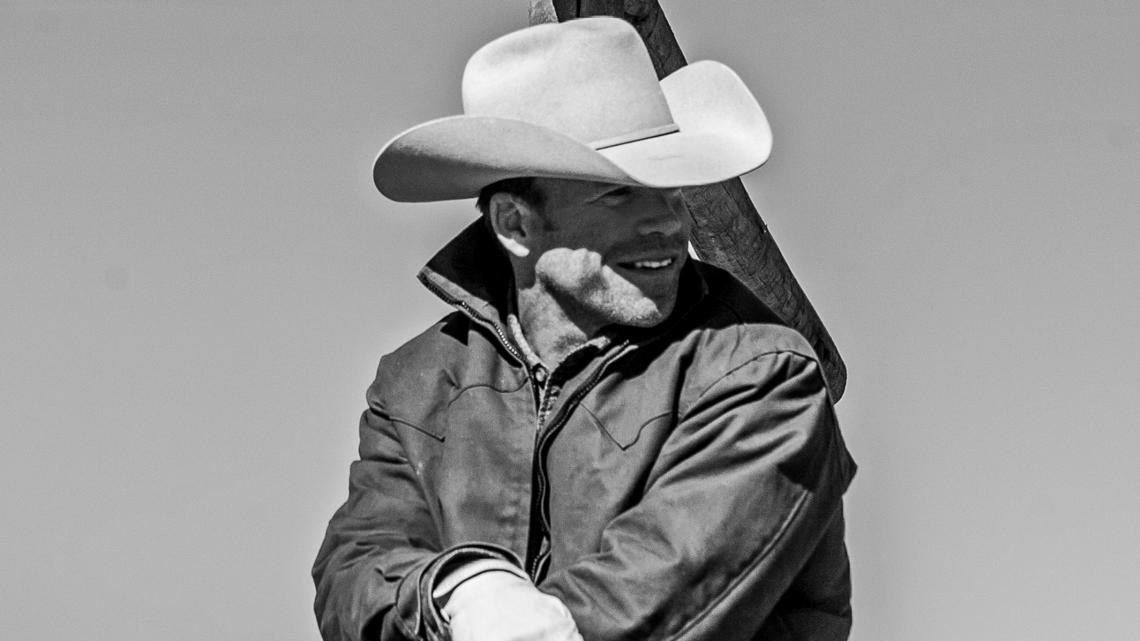
Stan Kroenke and America’s Largest Private Land Holdings
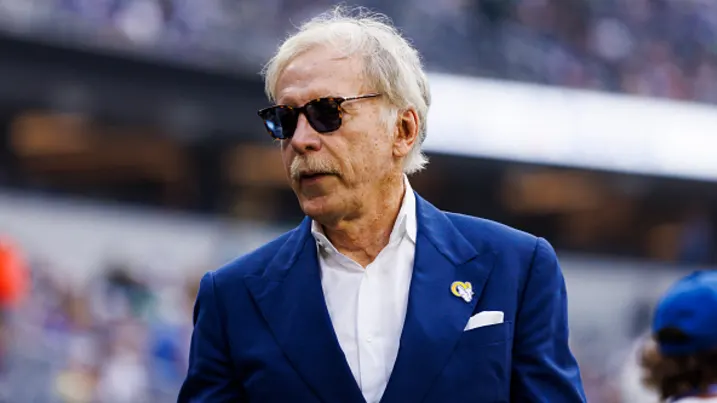
Stan kroenke and the Transformation of Private Land Ownership in the United States
The scale and structure of private land ownership in the United States have long drawn attention from policymakers, economists, and environmental analysts. In early 2026, that conversation shifted following reporting that placed Stan kroenke at the center of one of the largest documented private landholdings in the country, reshaping public understanding of how concentrated land ownership has become.
Context and background
According to CNBC, recent disclosures indicate that Stan kroenke has surpassed other well-known landholders to become the largest private landowner in the United States. The outlet reports that this status emerged not through a single publicized acquisition but through a pattern of purchases that were largely undisclosed at the time they occurred.
CNBC notes that private land ownership data in the U.S. is often fragmented, relying on a mix of public records, local filings, and investigative reporting. As a result, definitive rankings can be difficult to establish. In this case, however, multiple outlets independently identified the same conclusion, citing acreage totals that exceed those previously attributed to other major landowners.
Regional reporting has also contributed to the broader picture. WFAA reported that Texas plays a significant role in overall land concentration trends, highlighting how large ranches and privately held tracts contribute to national rankings. While the station’s reporting focuses on Texas, it provides context for understanding how multi-state holdings can elevate an individual into the top tier of private landowners.
What happened
The most detailed account of the recent shift comes from Fox Business, which reported that Stan kroenke became the nation’s largest private landowner following what it described as a “massive” and previously undisclosed land deal. The outlet states that the transaction significantly expanded his holdings, pushing his total acreage beyond that of other prominent private owners.
Fox Business emphasized that the deal was not widely known at the time it occurred, contributing to the delayed recognition of its impact. The report did not specify all locations involved in the transaction, nor did it provide a detailed breakdown of how long the acquisitions took to complete. Instead, it focused on the aggregate result: a land portfolio large enough to alter national rankings.
CNBC corroborated this account, reporting that the scale of the holdings only became clear after records were reviewed and compiled. The outlet cautioned that while the total acreage is substantial, precise figures may still be subject to revision as additional records become available. This uncertainty reflects broader challenges in tracking private land ownership across multiple jurisdictions.
Institutional, legal, and policy implications
The emergence of Stan kroenke as the largest private landowner has prompted renewed discussion about transparency in land transactions. CNBC reported that many large-scale land purchases are legally structured in ways that do not require immediate public disclosure, particularly when acquisitions are made through subsidiaries or limited liability entities.
From an institutional perspective, this raises questions about how policymakers monitor land concentration and its potential effects on agriculture, conservation, and regional development. Fox Business noted that large private holdings can influence land use decisions over vast areas, even when owners do not actively manage every parcel.
WFAA’s reporting on Texas landowners adds another layer to this discussion by illustrating how state-level land patterns feed into national outcomes. While the station did not attribute specific policy consequences to any one owner, it highlighted that Texas alone contains millions of acres held by a relatively small number of individuals or families. When combined with holdings in other states, these patterns can produce national-scale concentration.
Media and official responses
Coverage of the development has remained largely analytical rather than political. Fox Business framed the story around the scale and secrecy of the transaction, focusing on how it altered existing perceptions of private land ownership. The outlet did not report any official statements from federal or state authorities responding directly to the disclosure.
CNBC approached the topic through an economic and data-driven lens, emphasizing how difficult it is to compile accurate rankings of private landowners. The network noted that the recognition of Stan kroenke as the largest private landowner was the result of investigative effort rather than a formal announcement.
Local coverage from WFAA did not focus on individual responses but instead situated the story within ongoing discussions about land use in Texas. The station highlighted that large landholdings have long been part of the state’s economic and cultural landscape, suggesting that national attention often arrives after years of gradual accumulation.
What comes next
None of the sources report any immediate legal or regulatory action stemming from the disclosure of these holdings. CNBC states that private land ownership of this scale is legal under current U.S. law, provided transactions comply with existing reporting and tax requirements.
Fox Business notes that future scrutiny is likely to focus on how such land is managed rather than on ownership alone. However, the outlet does not speculate on changes in land use, conservation status, or development plans, and no official projections have been released.
As additional records are analyzed and compared, media outlets may refine their estimates of total acreage. For now, based on available reporting, Stan kroenke occupies a singular position in the landscape of American private land ownership, illustrating how incremental, low-profile acquisitions can collectively reshape national rankings without immediate public attention.