Stephen Colbert and FCC Equal-Time Rules Explained
Stephen Colbert and the FCC’s Equal-Time Rules for Television Talk Shows
Context and background
The Federal Communications Commission’s “equal-time” rule has long been a recurring issue in U.S. broadcast regulation, particularly during election cycles. The rule, rooted in federal communications law, generally requires broadcasters to provide comparable airtime opportunities to legally qualified political candidates when one candidate is allowed to use a station’s facilities. However, the FCC has also carved out specific exemptions for certain types of programming, including bona fide news interviews and some entertainment formats.
Late-night television has repeatedly tested the boundaries of these exemptions. Programs that blend satire, interviews, and commentary occupy an ambiguous space between journalism and entertainment, raising questions about whether appearances by political figures could trigger equal-time obligations for broadcasters. According to reporting by The Hill, the FCC has historically treated many late-night shows as exempt, particularly when they are not designed as platforms for political advocacy but as entertainment programs with editorial control.
What happened
In recent coverage by NBC News and CBS News, renewed attention has focused on how the FCC applies its equal-time rules to television talk shows when political candidates appear as guests. The reporting explains that the FCC has clarified that many late-night and daytime talk shows are exempt from equal-time requirements, even when candidates are interviewed.
This clarification emerged amid public discussion over candidate appearances on popular television programs. The FCC’s position, as outlined in the reporting, is that these shows qualify as bona fide news interviews or entertainment programming, depending on format and editorial intent. As a result, networks airing such programs are generally not required to provide equivalent airtime to opposing candidates.
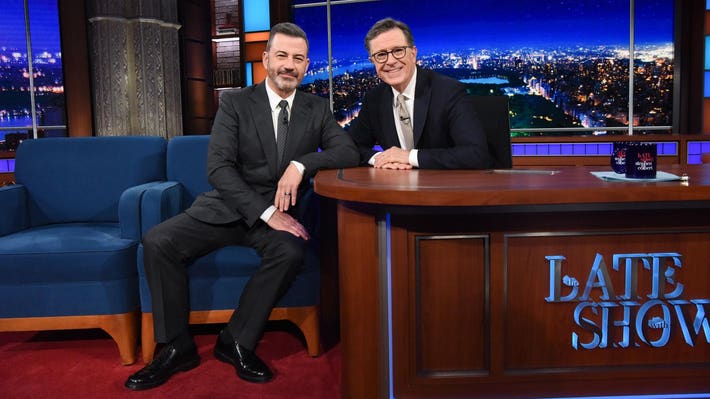
Within this regulatory framework, Stephen Colbert has been referenced as an example of a late-night host whose program falls under these exemptions. The NBC News and CBS News articles note that late-night shows like his are treated differently from traditional campaign advertisements or explicitly political broadcasts.
Institutional, legal, and political implications
The FCC’s interpretation carries significant implications for broadcasters, political campaigns, and audiences. By exempting late-night talk shows from equal-time rules, the commission reduces regulatory burdens on networks and preserves editorial discretion. As NBC News reports, the FCC has emphasized that forcing equal-time compliance on entertainment programs could fundamentally alter their format and purpose.
From a legal standpoint, the FCC’s stance reflects long-standing precedent. The Hill reports that exemptions for late-night programming have existed for decades, grounded in the idea that such shows are not vehicles for campaign messaging in the traditional sense. The commission’s decisions are therefore framed as consistent with prior rulings rather than as a departure from established policy.
Politically, the implications are more nuanced. Appearances by candidates on high-profile shows can reach large audiences, but the FCC’s approach indicates that reach alone does not determine regulatory treatment. In this context, Stephen Colbert is not singled out for special consideration; rather, his show is grouped with similar programs across networks that blend interviews with comedy and commentary.
Media and official responses
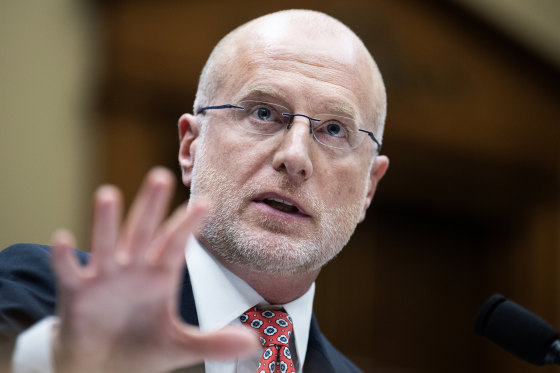
Media coverage has focused heavily on statements from FCC officials explaining the rationale behind the exemptions. CBS News reported comments from FCC Commissioner Brendan Carr, who discussed how the commission distinguishes between campaign use of airtime and appearances on talk shows that maintain editorial independence. According to the reporting, Carr argued that the exemptions are necessary to avoid chilling free expression and programming diversity.
Networks have also responded by pointing to the practical challenges of applying equal-time rules to entertainment programming. NBC News noted that enforcing such requirements would be complex and potentially unworkable, given the spontaneous and conversational nature of talk show interviews.
In public discourse, references to Stephen Colbert have often served as shorthand for the broader category of late-night television rather than as commentary on his individual conduct. The coverage does not attribute specific statements or positions to him beyond identifying his program as an example within the FCC’s regulatory framework.
What comes next
Based on the available reporting, the FCC does not appear poised to alter its approach to late-night and daytime talk shows. The Hill reports that the commission views the current exemptions as settled policy, absent significant changes in law or broadcasting practices.
Future election cycles are likely to revive questions about candidate appearances on television, particularly as media consumption habits evolve. However, the NBC News and CBS News coverage suggests that the FCC intends to continue evaluating cases individually, focusing on whether a program qualifies as a bona fide news interview or entertainment show.
For audiences, the practical outcome is continuity. Programs hosted by figures such as Stephen Colbert are expected to continue operating under existing exemptions, allowing them to interview political figures without triggering equal-time obligations. As long as the FCC maintains its current interpretation, the regulatory landscape for late-night television is unlikely to change in the near term.
In this environment, Stephen Colbert remains relevant not because of any unique regulatory status, but because his show exemplifies how modern television formats intersect with long-standing communications law. The FCC’s recent clarifications reinforce that intersection, underscoring the balance between regulation, editorial freedom, and political discourse.
Ultimately, the discussion surrounding Stephen Colbert and similar hosts reflects broader institutional questions about how media law adapts to evolving formats. The sources reviewed here indicate that, for now, the FCC believes its existing framework is sufficient to address those challenges.