Demond Williams Transfer Portal Decision Explained
Demond Williams Trends as Washington Transfer Portal Decision Sparks Debate
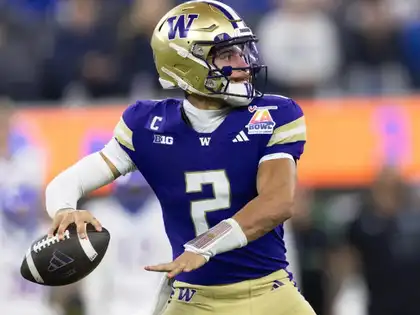
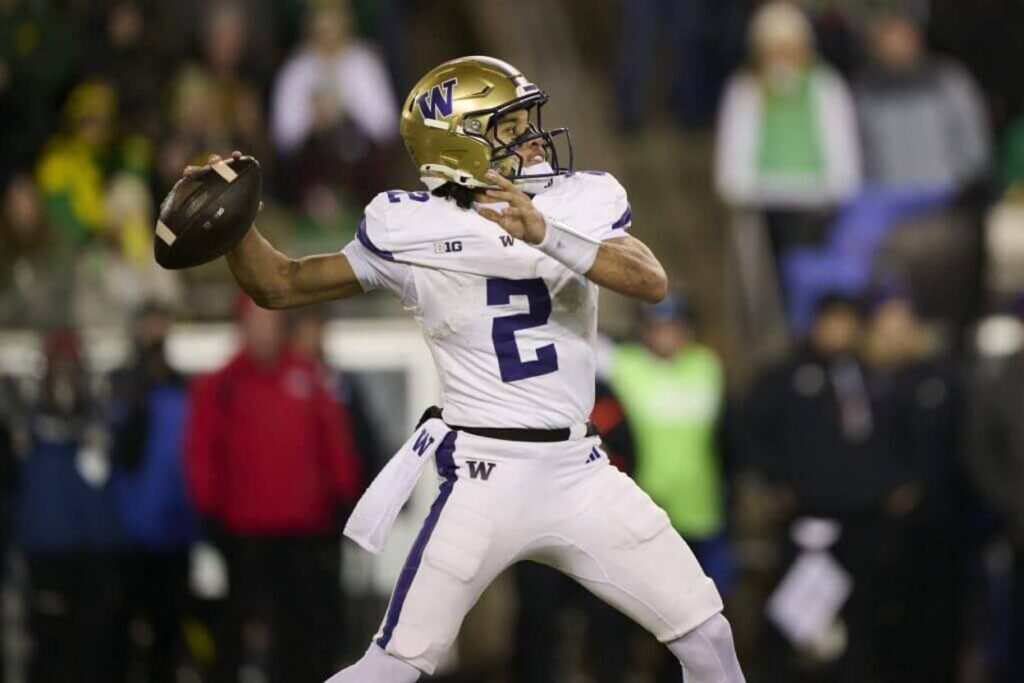
The name demond williams has risen sharply on Google Trends following confirmed reports that the Washington quarterback entered the NCAA transfer portal despite expectations of remaining with the program. The development has drawn national attention because it touches multiple pressure points in modern college football, including NIL agreements, roster continuity, quarterback development, and the increasingly transactional nature of player movement.
Background on the Washington Quarterback Situation
Washington has spent recent seasons rebuilding its roster identity, with quarterback planning playing a central role in that effort. When younger quarterbacks are projected as long-term options, programs typically invest significant time and resources into their development. That context is why the departure of demond williams immediately became a widely discussed topic across both national media and fan-driven platforms.
Unlike past eras, where transfers were rare and often framed as last-resort decisions, today’s college football environment normalizes movement. The portal allows players to reassess fit, coaching alignment, and opportunity with far fewer restrictions. Still, when a quarterback exits amid expectations of continuity, it raises legitimate questions about program stability.
ESPN Reporting and Verified Details
According to ESPN, demond williams entered the transfer portal despite what had been perceived as an understanding that he would stay with Washington. The report avoided speculation and focused strictly on confirmed information, emphasizing that expectations do not always translate into binding outcomes in the current system.
ESPN’s coverage framed the situation as emblematic of broader changes in college football rather than an isolated incident. The outlet noted that coaching transitions, depth chart uncertainty, and evolving NIL landscapes all factor into decisions like this, even when outside observers assume stability.
NIL Agreements and Contract Expectations
Additional context emerged through reporting from The Athletic, which explored how demond williams was connected to NIL-related expectations. While no precise figures or contractual terms were disclosed publicly, the article highlighted how informal understandings can still influence player decisions.
The NIL era has blurred lines between traditional scholarships and professional-style agreements. While schools and collectives operate within NCAA guidelines, the absence of standardized enforcement means that expectations can shift rapidly. In this environment, players are increasingly proactive about securing situations that align with both development goals and personal circumstances.
Impact on Washington’s Roster Planning
From Washington’s perspective, the loss of demond williams forces immediate and long-term adjustments. Quarterback rooms are typically layered by class year, allowing programs to stagger development and maintain continuity. When a projected option exits, coaches must either accelerate the growth of remaining players or explore replacements through recruiting or the portal.
Such disruptions are not unique to Washington, but quarterbacks amplify the impact. Offensive systems are often tailored to a quarterback’s strengths, meaning personnel changes can influence play-calling philosophy, practice structure, and even recruiting messaging.
Fan and Analyst Reaction
Reaction from analysts and fan communities has been mixed but largely measured. Coverage from UW Dawg Pound characterized the exit of demond williams as a significant moment, particularly given Washington’s broader transition period. The analysis focused less on blame and more on structural challenges facing the program.
Fan discourse has reflected a growing understanding that roster volatility is now a permanent feature of college football. While frustration is common, there is also recognition that players are responding rationally to incentives and uncertainties built into the current system.
Why This Story Is Trending Nationally
The surge in search interest around demond williams is not solely about one quarterback’s decision. It reflects a broader fascination with how quickly college football narratives can change off the field. Portal entries, NIL discussions, and coaching movement now generate as much attention as game results during certain parts of the calendar.
This type of attention mirrors other sports-related trending topics driven by timing and context. For example, articles explaining why Dolphins vs. Patriots is trending now show how audience interest often spikes around familiar names when new developments emerge.
Player Perspective and Career Strategy
From an athlete’s standpoint, demond williams entering the portal can be viewed as a strategic decision rather than a reactionary one. Quarterbacks face unique pressures, as opportunities to start are limited and development timelines are unforgiving. Choosing the right environment can define an entire career trajectory.
At the same time, frequent movement carries risks. Coaches and evaluators value consistency, and repeated transfers can complicate perceptions of leadership and adaptability. How players navigate this balance has become one of the defining challenges of the NIL and portal era.
Broader Implications for College Football
The attention surrounding demond williams underscores how programs must now operate with contingency plans at every position. Retention strategies, communication, and alignment between coaching staffs and collectives are increasingly critical. Without them, even well-laid plans can unravel quickly.
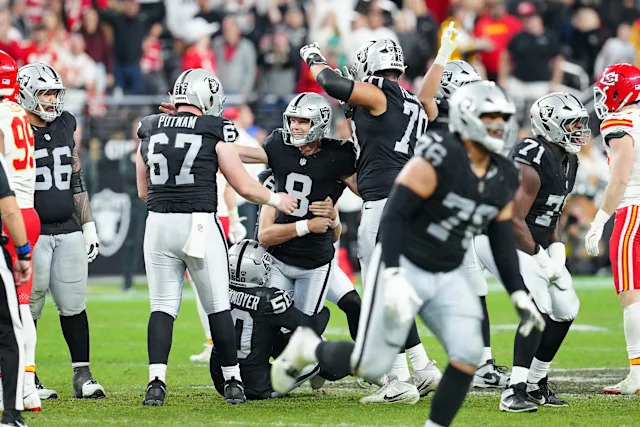
This shift parallels trends seen in professional sports, where contract dynamics and roster churn dominate headlines. Similar to how NFL rivalries capture attention during key moments—such as coverage explaining why Chiefs vs. Raiders is trending—college football audiences are now deeply engaged with structural changes shaping competition.
What Comes Next
As of now, verified reporting confirms only that demond williams has entered the transfer portal. No destination has been publicly confirmed, and no additional contractual details have been substantiated. Future updates will likely focus on where he lands and how Washington adjusts its quarterback plans.
The situation serves as a case study in modern college football, illustrating how quickly expectations can shift and why adaptability has become essential for both players and programs.