Elizabeth Hurley and Daily Mail Allegations

Elizabeth Hurley and Allegations Against the Daily Mail Publisher
Context and background
In early 2026, Elizabeth Hurley [2] became one of several high-profile figures linked to renewed scrutiny of the Daily Mail’s publisher over alleged unlawful information-gathering practices. The issue emerged within the broader context of long-running legal disputes in the United Kingdom concerning privacy, press standards, and claims of phone hacking or surveillance by newspaper groups.
According to reporting by The Guardian, a number of public figures have brought or supported claims alleging that journalists or agents acting on behalf of publishers engaged in covert methods to obtain private information. These cases are part of a wider legal reckoning following earlier scandals involving British tabloids, although each claim is assessed individually based on evidence presented to the courts.
What happened
The Guardian reported that Elizabeth Hurley [3] accused the publisher of the Daily Mail of having bugged a windowsill at her home, an allegation raised in the context of ongoing legal proceedings. The report stated that the claim was made as part of broader court action involving multiple claimants, rather than as a standalone case.
The article did not detail when the alleged bugging occurred, nor did it establish whether the accusation had been proven in court. Instead, it presented the allegation as one of several claims being examined through legal processes. The publisher has previously denied wrongdoing in similar cases, and the outcome of the specific allegation referenced by Hurley had not been determined at the time of reporting.
Related legal proceedings and comparisons
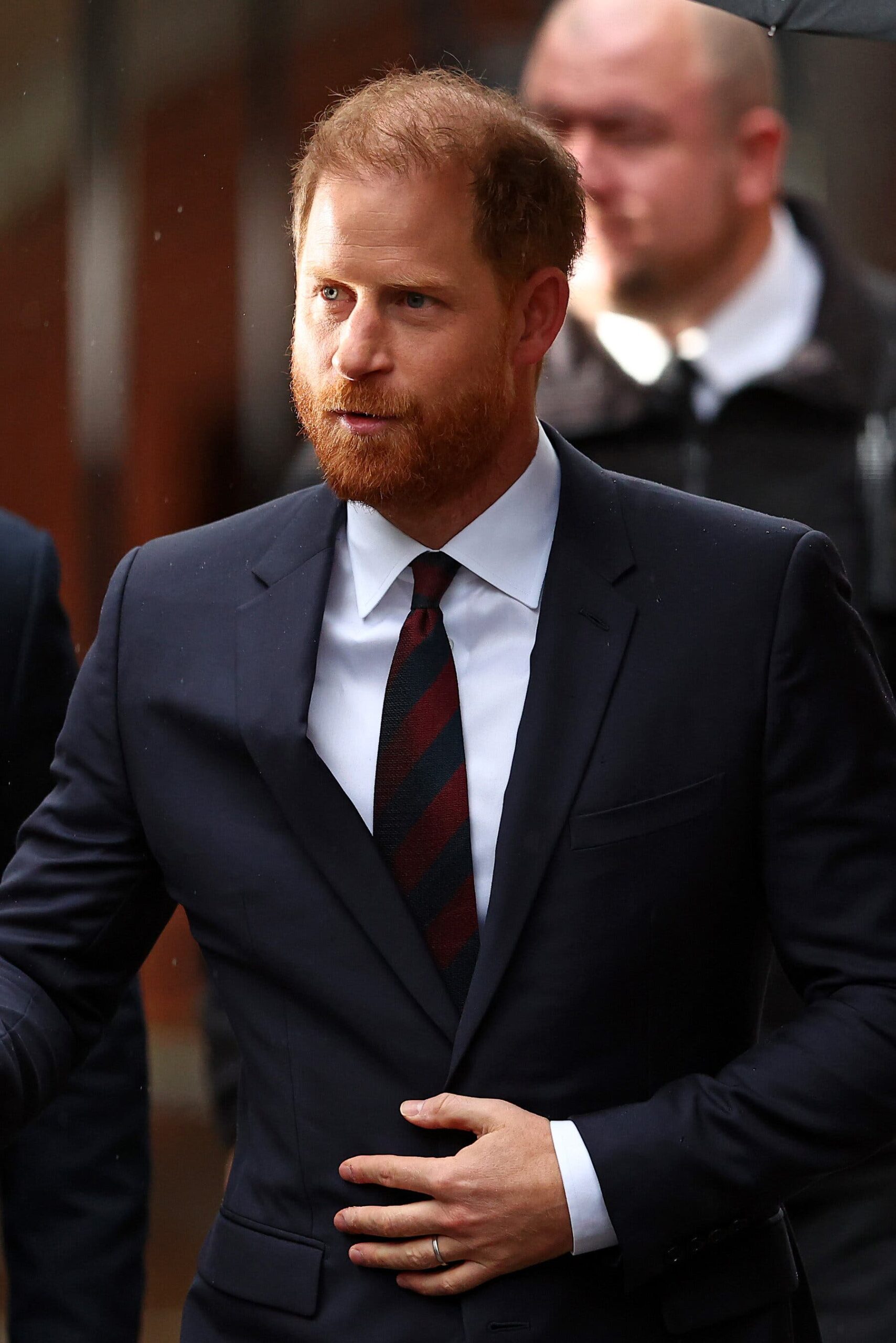
Coverage by The New York Times placed these allegations within a wider set of lawsuits involving prominent individuals and the same publisher. The Times focused primarily on court testimony by Prince Harry, describing emotional evidence given about alleged press intrusion. While the article did not center on Elizabeth Hurley [4], it highlighted the shared legal environment in which multiple figures have pursued claims related to privacy violations.
The New York Times report underscored that the cases involve complex questions about journalistic practices, the use of private investigators, and the boundaries of lawful reporting. It also made clear that each claimant’s experience and evidence differ, and that courts evaluate them separately.
Institutional and legal implications
The allegations referenced by Elizabeth Hurley [5] contribute to an ongoing examination of how UK courts handle claims of unlawful surveillance by media organizations. According to BBC News, judges overseeing these cases have emphasized the need to assess whether publishers authorized or knowingly benefited from any illegal activity.
The BBC reported that the litigation raises broader institutional questions about accountability within large media companies. These include how editors supervise journalists, what safeguards exist to prevent unlawful practices, and how responsibility is assigned when external contractors are used.
Media and official responses
In its reporting, The Guardian noted that the Daily Mail’s publisher has consistently rejected accusations of illegal information-gathering, stating in past cases that it operates within the law. The BBC similarly reported that publishers involved in these disputes have denied authorizing hacking or bugging, arguing that claims are either unsubstantiated or mischaracterized.
There were no new public statements attributed directly to Elizabeth Hurley [6] beyond what was reported in court filings or referenced in media coverage. The articles did not indicate that she had commented separately outside the legal process.
What comes next
As reported by the BBC, the cases involving alleged press intrusion are expected to continue through the UK legal system, with judges determining which claims proceed to trial and which may be resolved earlier. The timeline for decisions remains dependent on procedural rulings and the presentation of evidence.
For Elizabeth Hurley [7], the next steps are tied to those broader proceedings rather than to a distinct, standalone case. The Guardian made clear that her allegation forms part of a collective legal challenge, meaning outcomes will be shaped by how the court addresses common questions of fact and law.
The New York Times noted that these cases could influence future standards for media conduct, but did not predict specific outcomes. Any changes to industry practice or regulation would depend on judicial findings rather than on individual allegations alone.
Broader significance
The involvement of figures such as Elizabeth Hurley [8] has drawn attention to the enduring tension between press freedom and personal privacy in the United Kingdom. While the courts have addressed similar issues in the past, the current litigation underscores that disputes over journalistic boundaries remain unresolved.
At the same time, the reporting from all three outlets stressed the importance of due process. Allegations, including those made by Elizabeth Hurley [9], have not been presented as established fact but as claims to be tested in court. The legal system’s handling of these cases will determine whether any wrongdoing occurred and what remedies, if any, are appropriate.
In that sense, the focus remains less on individual personalities and more on institutional responsibility. As the Guardian, BBC, and New York Times each noted in different ways, the final judgments will hinge on evidence and legal interpretation rather than on public attention surrounding figures such as Elizabeth Hurley [10].