
Insurrection Act: Federal Power, Protests, and Legal Limits
Insurrection Act and the Limits of Federal Power in Domestic Unrest
The Insurrection Act has reentered national political and legal discourse as protests in Minneapolis draw sustained attention from federal officials, civil rights advocates, and constitutional scholars. While demonstrations themselves are not unusual in American civic life, the renewed focus on this statute reflects deeper anxieties about the balance between public order and democratic restraint.
Rather than centering on online trends or search behavior, this analysis examines the issue as it would be framed by a major national newsroom: through verified reporting, institutional context, and the broader implications for governance in moments of crisis.
Legal Authority and Constitutional Boundaries
Enacted in the early 19th century, the Insurrection Act grants the president limited authority to deploy federal forces within the United States under defined circumstances. These include situations in which state governments cannot or will not protect constitutional rights, or when domestic violence obstructs the execution of federal law.
Legal scholars frequently stress that the statute exists within a constitutional system designed to prioritize civilian control and federalism. It does not operate as a default response to unrest, nor does it override existing protections for speech, assembly, or due process.
As reporting from Axios notes, public references to the law often blur the line between rhetorical warning and actual legal intent, contributing to uncertainty among the public.
Historical Use and Institutional Caution
The Insurrection Act has been used sparingly in modern history, most notably during the civil rights era when federal troops were deployed to enforce court-ordered desegregation. In those cases, invocation followed prolonged resistance by state authorities and explicit judicial findings.
That history informs current institutional caution. Former defense officials and constitutional experts have repeatedly warned that invoking the statute carries consequences beyond immediate security concerns, including erosion of public trust and the politicization of the military.
These concerns explain why administrations of both parties have typically treated the law as a last resort rather than a flexible policy tool.
Minneapolis Protests and Federal Scrutiny
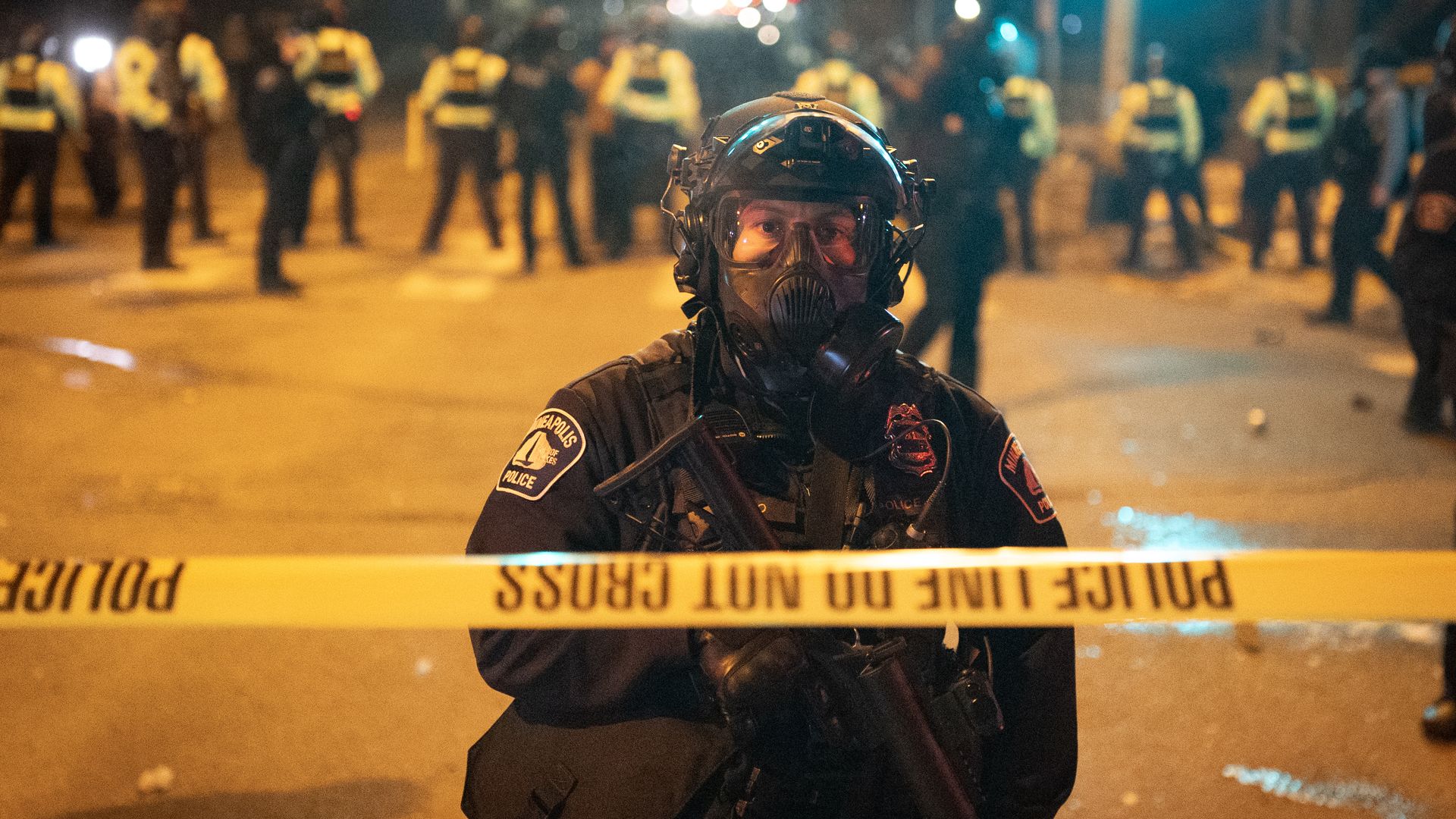
Recent protests in Minneapolis emerged after a fatal shooting involving Immigration and Customs Enforcement officers, prompting widespread demonstrations and demands for transparency. According to CNN, local officials have emphasized crowd management, investigation procedures, and coordination with community leaders.
What transformed a local crisis into a national debate was the suggestion that federal authority, including the Insurrection Act, could be considered if unrest escalated. No such action has been taken, but the mention alone reframed the protests within a broader narrative of national security.
This reframing mirrors past moments when political language, rather than legal action, drove public perception and media coverage.
Immigration Enforcement and Political Context
Coverage from The Washington Post situates the Minneapolis protests within ongoing debates over immigration enforcement and federal policing powers. The reporting underscores the human dimensions of the case, including the background of the individual killed and the response from advocacy groups.
Within this context, references to the Insurrection Act function less as a policy roadmap and more as a political signal, suggesting firmness without committing to escalation. Analysts note that such signaling can heighten tensions rather than resolve them.
Comparable dynamics have appeared in other national security discussions, including leadership disputes and institutional authority examined in recent defense coverage.
Federalism, States’ Rights, and Executive Power
The debate surrounding the Insurrection Act ultimately returns to a central question of American governance: how power is distributed between states and the federal government during emergencies. Governors retain primary responsibility for public safety, and federal intervention traditionally requires either state consent or extraordinary justification.
Legal experts argue that normalizing threats of federal deployment risks weakening that balance. Even absent action, the repeated invocation of extraordinary authority can shift expectations about executive power.
This concern aligns with broader media analysis of how exceptional measures, once discussed openly, can become part of routine political discourse.
Media Framing and Public Understanding
National news organizations have largely avoided speculative reporting, emphasizing instead that no invocation of the Insurrection Act has occurred. That restraint reflects lessons learned from earlier protest cycles, when premature conclusions contributed to public confusion.
Explanatory journalism has played a central role, clarifying distinctions between military deployment, federal law enforcement assistance, and constitutional limits. Such clarity is essential in preventing misinformation from shaping public response.
Similar explanatory approaches have been used in coverage of other trending political figures, including analysis published in this NovaMind Digital report.
Implications for Governance Moving Forward
As protests continue and investigations proceed, the Insurrection Act remains a reference point rather than an active instrument of policy. Its presence in public debate underscores the fragility of institutional trust during periods of unrest.
Whether the moment leads to legislative reform, clearer executive guidelines, or renewed emphasis on state-level solutions remains uncertain. What is clear is that the law’s symbolic weight now rivals its practical application.
In that sense, the current discourse reflects a broader challenge facing democratic societies: maintaining order while preserving the legitimacy that order depends upon.